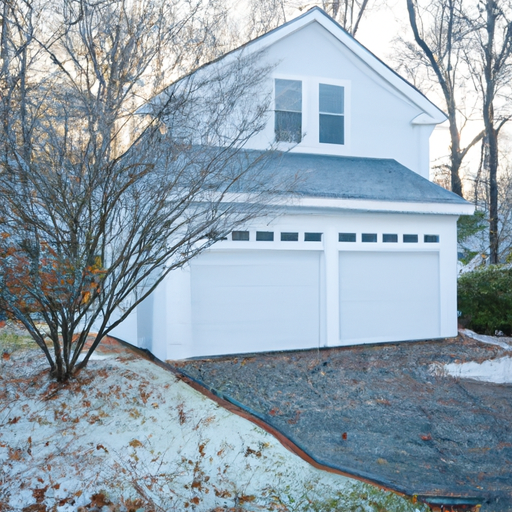
Homeowners in Burlington, MA know how New England weather puts stress on home systems. Regular garage door repair and seasonal checks keep doors operating safely and avoid costly breaks. This guide is a practical, weather-aware garage door repair ma seasonal maintenance tips guide for Burlington residents.
Why seasonal maintenance matters for garage door repair
Garage doors are heavy, moving systems with springs, cables, rollers, tracks, and openers. Salt, snow, humidity and temperature swings common in Burlington, MA accelerate wear. Simple quarterly checks can: reduce emergency repair calls, extend component life, and improve safety for children, pets, and vehicles.
Plan to inspect your garage doors at the start of each season. Keep a short log of date, performed checks, and any parts that showed wear. That record is useful if you need a pro and helps with homeowner insurance or warranties.
Spring & summer checklist
Spring thaw and summer humidity create a different set of issues than winter. Use this checklist in April–June to spot problems early.
- Visual inspection: Look for dents, loose hardware, or gaps allowing pests or water in.
- Lubricate moving parts: Apply a silicone or lithium-based lubricant to rollers, hinges, and springs—avoid oil-based products that attract dirt.
- Check balance: Disconnect the opener and manually lift the door halfway. It should hold. If it drifts, springs may be weak and need professional adjustment.
- Test auto-reverse: Place a 2×4 on the floor under the door and close it; the door should reverse when it contacts the wood. This matters for safety and liability.
- Inspect weather seal: Replace cracked bottom seals to prevent water and pests.
- Clean tracks: Remove debris and wipe tracks; do not use a solvent that leaves residue.
Why spring checks cut emergency repairs
Warm months reveal issues from winter corrosion. Catching rust or worn rollers in spring prevents noisy operation and reduces load on the opener. If you prefer reading up before scheduling a service, see our blog for short how-tos and seasonal reminders.
Fall & winter checklist
Cold weather is the toughest on moving parts. Follow these steps in October–January to avoid stuck doors and broken springs.
- Replace brittle seals: Cold cracks worn seals faster—replace if you notice gaps that let wind or snow in.
- Insulation check: Insulated doors reduce heat loss and lower condensation that can freeze on tracks.
- Remove ice and snow: Clear the driveway and threshold before opening. Ice on the bottom seal can bind the door and strain springs.
- Battery & remote test: Cold reduces battery life. Replace remote and keypad batteries before a cold snap.
- Address shuttering or rubbing: Temperature shifts can change clearances. If the door rubs the frame, it can warp or scrape paint—schedule an adjustment.
Preventing winter lockouts
Keep a small bag of sand or de-icer near the garage (not inside) to clear frozen thresholds. If your automatic opener is struggling in cold mornings, run a few manual open/close cycles after warming the opener housing to reduce motor strain.
Routine checks every season (quick list)
- Visual check for rust, frays in cables, and bent tracks
- Test safety features: photo-eyes and auto-reverse
- Tighten loose bolts on hinges, brackets, and the opener
- Listen for new grinding or squealing noises
- Note performance: slow or jerky movement indicates lubrication or spring issues
When to call a professional for garage door repair
Some tasks should always be handled by a trained technician. Call a pro if you find any of the following:
- Broken or pinned springs — springs store energy and can cause injury if handled incorrectly.
- Frayed cables or loose drums — these affect balance and can lead to a dropped door.
- Bent or misaligned tracks — track work often requires tools and lifts.
- Opener motor burning smell or inconsistent limit settings — electrical and drive issues need diagnostic testing.
- Door that won’t stay open when disconnected from the opener — indicates serious spring imbalance.
For professional inspections, repairs, or parts replacement, review our full list of services. If you need a quick estimate or same-week visit, use our contact page to request availability.
Cost expectations and warranty tips
Typical seasonal maintenance (inspection, lubrication, safety tests) is an affordable residential service that often runs under a service-call rate. Common repair ranges in MA:
- Spring replacement: mid-range—depends on spring type and door weight.
- Roller replacement: lower cost but depends on roller material and number replaced.
- Opener replacement: higher cost; varies by drive type and features.
Ask any technician for an itemized estimate and parts warranty. Keep receipts and your seasonal log for warranty claims. If a contractor offers long-term warranties, verify whether labor and parts are covered separately.
Simple maintenance you can do safely
- Wipe tracks with a dry cloth; avoid heavy solvents.
- Remove debris from bottom seals and thresholds.
- Replace remote batteries annually in fall.
- Keep hinges and rollers lightly lubricated once or twice a year.
- Take photos of any damage before calling a pro—this helps remote estimates.
For hands-on help, or if you prefer a certified technician to perform seasonal maintenance, check our scheduled services and preventive plans on the services page.
Regular, seasonal attention reduces the need for emergency garage door repair and helps keep your Burlington, MA home safe and energy efficient.
Frequently Asked Questions
Q: How does Burlington winter weather affect my garage door?
A: Salt, freeze-thaw cycles, and heavy snow increase corrosion and wear on tracks, springs, and bottom seals. Clear snow from the threshold, lubricate moving parts before the cold settles in, and replace brittle seals in fall to prevent ice build-up and binding.
Q: How long does a typical garage door repair visit take in the Burlington area?
A: Most tune-ups and simple repairs (lubrication, tightening, roller replacement) take 30–90 minutes. Spring replacement or track realignment can take 2–4 hours depending on parts. Ask the technician for an on-site estimate of time before work begins.
Q: What price range should Burlington homeowners expect for spring replacement?
A: Prices vary by spring type, door weight, and whether both springs are replaced. Expect a mid-range cost; always request an itemized quote. A professional will also test balance and safety features after replacement.
Q: Do I need a permit for garage door repairs or replacements in Burlington, MA?
A: Minor repairs rarely need a permit, but full door replacements or structural changes may require local permits. Check with Burlington building department for project-specific rules or ask your technician to confirm permit needs before starting work.
Q: Are there warranties for parts and labor on local garage door repairs?
A: Many local residential service providers offer parts and labor warranties; durations vary. Keep invoices and service records. Confirm what the warranty covers—parts only or parts plus labor—and whether it is transferable.
Helpful local resources in Burlington, MA
- Garage Door Repair Boston
- Garage Door Repair Cambridge
- Garage Door Repair Newton
- Garage Door Repair Lexington
- Garage Door Repair Wellesley
- Garage Door Repair Brookline
- Garage Door Repair Somerville
- Garage Door Repair Burlington
- Garage Door Repair Andover
- Garage Door Repair Weston
- Garage Door Repair Belmont
- Garage Door Repair Westwood
- Garage Door Repair Sharon
- Garage Door Repair Needham
- Garage Door Repair Concord
- Garage Door Repair Hingham
- Garage Door Repair Scituate
- Garage Door Repair Marblehead
- Garage Door Repair Natick
- Garage Door Repair Milton
- Garage Door Repair Acton
- Garage Door Repair Medfield
- Garage Door Repair Sudbury
- Garage Door Repair Wayland
- Garage Door Repair Hanover
- Garage Door Repair Tewksbury
- Garage Door Repair Carlisle
- Garage Door Repair Dover
- Garage Door Repair Hopkinton
- Garage Door Repair Framingham