Homeowners in Burlington, MA who are planning upgrades want clarity on materials for smart garage systems. Choosing the right combination of door panels, insulation, and hardware affects durability, energy efficiency, and how your smart garage systems communicate with your home network.
Why materials matter for smart garage systems
Smart garage systems rely on mechanical performance and electronics working together. The materials you choose for garage doors, tracks, and mounting hardware influence noise, thermal performance, and long-term reliability of sensors and openers.
When evaluating options, think about:
- Durability in New England winters—resistance to moisture and salt air.
- Insulation value—R-value affects garage temperature and smart sensor performance.
- Weight—heavier doors need stronger openers and mounts.
- Impact on wireless signals—metal surfaces and thick insulation can change antenna performance.
Common door materials and how they affect smart systems
Steel (painted or insulated)
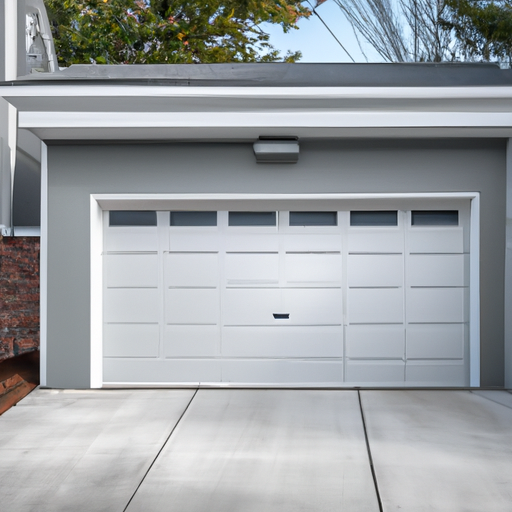
Steel is a top choice for many Burlington homes. It is strong, relatively low maintenance, and available with factory insulation. For smart garage systems, steel doors are stable and provide a reliable mounting surface for sensors and keypad hardware. Choose galvanized or regularly painted finishes to prevent rust in coastal or salt-exposed areas of MA. If you choose an insulated steel panel, check that the opener’s force settings are compatible—insulated steel panels increase weight.
Aluminum
Aluminum is lighter and resists corrosion, which is helpful for towns near moisture. Its light weight reduces stress on opener motors, often making installations simpler. However, aluminum panels dent more easily, and the thinner metal can affect how wireless signals reflect near the opener. For smart garage systems, pair aluminum doors with robust mounting brackets and test wireless range during installation.
Wood
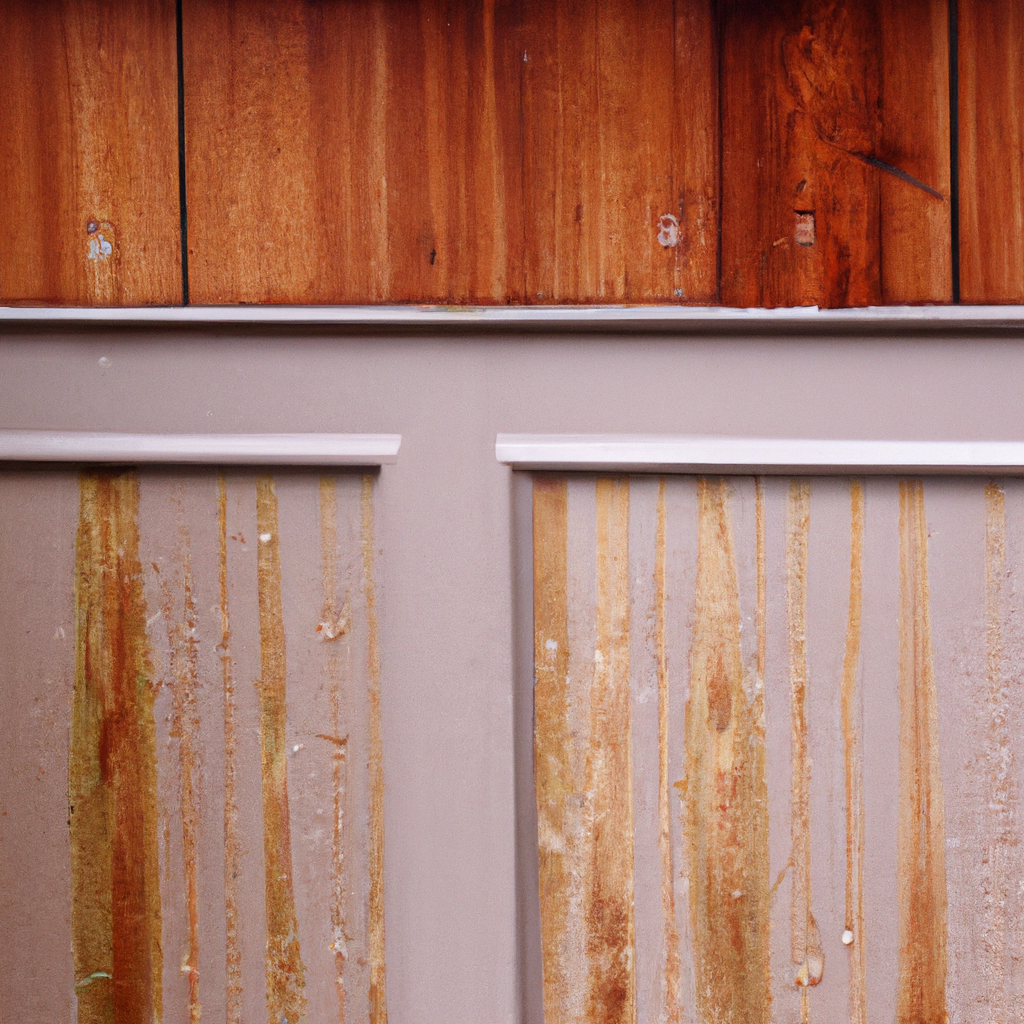
Wood doors offer classic curb appeal but require regular maintenance in MA’s climate. Warping or swelling from moisture can misalign tracks and obstruct sensors. If you want a wood door with smart features, plan for seasonal inspections and use treated woods or composite cladding to reduce movement. Smart garage systems work fine with wood—just account for the added upkeep.
Composite and fiberglass
Composite or fiberglass doors mimic wood while resisting rot and moisture. They offer stable dimensions and lighter weight than some solid wood options. For smart garage systems, composites provide steady mounting for sensors and consistent balance for openers.
Insulation, seals, and hardware: the unseen factors
Insulation and sealing choices affect the performance of smart garage systems more than many homeowners expect.
- Insulation (R-value): A higher R-value keeps the garage closer to house temperature and protects smart components from extreme cold. Insulation can increase door weight—confirm opener capacity.
- Weatherstripping: Tight seals stop drafts and moisture ingress that can corrode sensors or wiring. Replacing worn bottom seals is a simple, high-impact upgrade.
- Tracks and rollers: Smooth, correctly aligned tracks reduce mechanical noise that can interfere with vibration sensors or microphones some smart systems use.
- Hinges and springs: High-quality springs and hinges maintain balanced operation. Unbalanced doors strain openers and can shorten the life of smart motors and drive belts.
Electrical and network considerations for smart garage systems
Materials influence not just structure but electronics. Consider these items during planning and installation:
- Mount wiring in protected channels; metal conduit can shield cables from rodents and moisture.
- Avoid placing heavy metal elements right next to wireless antennas. If the opener’s antenna is blocked, extend it or position the opener to improve reception.
- Choose openers rated for heavier doors if you opt for insulated steel or wood. A low-capacity opener under stress will overheat and cause intermittent smart features.
For practical installation tips and local case studies about smart garage systems in MA, see our resource hub on the blog: https://garagedoors-burlington.com/blog.
Local factors in Burlington, MA that affect material choice
Burlington’s winters and spring thaw can expose materials to freeze-thaw cycles and roadside salt. That means:
- Favor galvanized or rust-resistant finishes on metal doors and hardware.
- Check seals and bottom sweep each spring after snowplow season.
- Pick openers and sensors tested for low-temperature operation—battery performance and electronics can degrade in very cold weather.
Permits and HOA rules
Some Burlington neighborhoods or HOAs have rules on exterior appearance and approved materials. Before ordering custom cladding or nonstandard colors, confirm local guidelines. For professional help with permits, scheduling, or matching materials to codes, consult our services page: https://garagedoors-burlington.com/services.
Budgeting: cost vs. value for smart garage systems
Material costs vary widely. Expect these general ranges:
- Basic steel panels (uninsulated): lower upfront cost, moderate lifespan.
- Insulated steel or composite: mid-range cost, better energy performance.
- Custom wood or carriage-style doors: higher cost, higher maintenance but strong curb appeal.
Factor in the cost of a compatible opener, sensors, and professional installation. A properly matched opener reduces repairs and extends the life of smart garage systems, making a slightly higher initial spend worthwhile.
Installation timeline and what to expect
Typical residential service timelines in Burlington are:
- Site assessment and estimate: same week in most cases.
- Delivery of custom doors: 1–4 weeks depending on material and finish.
- Installation and smart-system setup: 1 day for a standard door; more for custom work.
Ready to move forward? Contact our team for a site visit or to schedule an estimate: https://garagedoors-burlington.com/contact.
Checklist for choosing materials for smart garage systems
- Match door weight to opener capacity.
- Pick corrosion-resistant finishes for MA winters.
- Choose an insulation level that balances energy savings with opener requirements.
- Confirm HOA or permit needs before ordering custom doors.
- Plan for wireless antenna placement and wiring protection.
Deciding on materials is a pivotal step when upgrading to smart garage systems. With the right choices, homeowners in Burlington, MA enjoy reliable operation, lower energy costs, and seamless smart features for years.
Frequently Asked Questions
Q: How does Massachusetts weather affect my choice of material?
A: Cold, wet winters and spring thaw in Burlington mean you should prioritize rust-resistant finishes and stable materials. Insulated steel or composite doors often perform best. Seasonal inspections after winter are recommended.
Q: How long does installation take for a smart garage systems upgrade?
A: A straightforward replacement and smart-opener setup typically takes one day. Custom doors or structural adjustments can extend the timeline; most projects in the area finish within 1–3 weeks from order to completion.
Q: What price range should Burlington homeowners expect?
A: Expect a basic steel door with a smart opener to start at the lower end of the residential range. Insulated or wood-style doors with premium openers will cost more. For exact estimates, schedule an on-site assessment.
Q: Are there permits or HOA rules in Burlington I should know about?
A: Some neighborhoods and HOAs require approvals for door styles or exterior changes. We advise checking local rules before ordering—our team can help with documentation and submissions.
Q: What warranty considerations affect material choice?
A: Look for factory warranties on panels and finishes, and confirm the opener warranty covers smart components. Warranties often vary by material—compare terms before purchase.
Helpful local resources in Burlington, MA
- Garage Door Repair Boston
- Garage Door Repair Cambridge
- Garage Door Repair Newton
- Garage Door Repair Lexington
- Garage Door Repair Wellesley
- Garage Door Repair Brookline
- Garage Door Repair Somerville
- Garage Door Repair Burlington
- Garage Door Repair Andover
- Garage Door Repair Weston
- Garage Door Repair Belmont
- Garage Door Repair Westwood
- Garage Door Repair Sharon
- Garage Door Repair Needham
- Garage Door Repair Concord
- Garage Door Repair Hingham
- Garage Door Repair Scituate
- Garage Door Repair Marblehead
- Garage Door Repair Natick
- Garage Door Repair Milton
- Garage Door Repair Acton
- Garage Door Repair Medfield
- Garage Door Repair Sudbury
- Garage Door Repair Wayland
- Garage Door Repair Hanover
- Garage Door Repair Tewksbury
- Garage Door Repair Carlisle
- Garage Door Repair Dover
- Garage Door Repair Hopkinton
- Garage Door Repair Framingham